

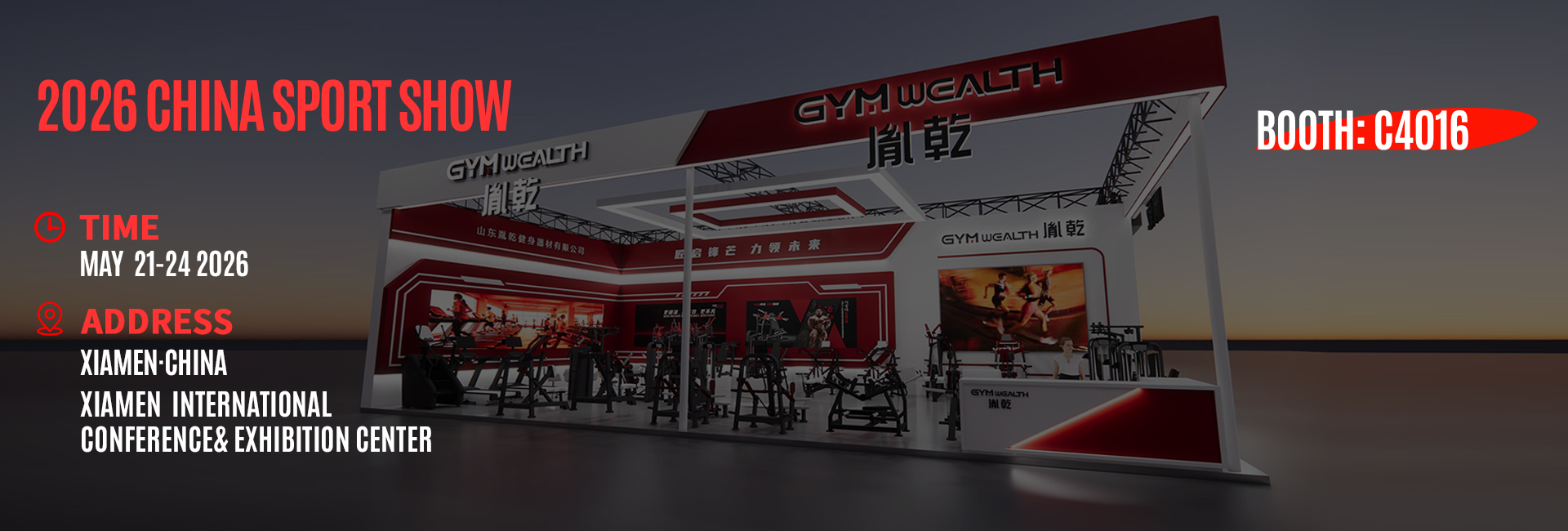
Commercial Gym Equipment For Apartment Fitness Room
**Commercial Gym Equipment for Apartment Fitness Rooms: A Concise Buying Guide**
Apartment fitness rooms depend on usable floor space and resident retention. Equipment should be specified around room capacity and resident demand rather than a catalog.
**Room planning.** Measure usable floor area after door swings, ADA clearance, and mirrors. An 800–1,200 sq ft room can support about 12–18 stations with 3 ft walkways. Below 600 sq ft, selectorized and cardio equipment is more appropriate than a plate-loaded zone. Floor loading and ceiling height should also be checked; cardio decks and stacked plate machines create point loads, and post-tension slabs require anchor limits confirmed by a structural engineer.
**Equipment mix.** Resident demand is commonly about 60/40 cardio-first vs. strength. A balanced room typically includes 2–4 treadmills, 1–2 bikes, 1 stair climber; 6–10 selectorized stations covering push, pull, legs, and core; a rack, adjustable bench, dumbbells, and rig; and one cable crossover or functional trainer.
**Selectorized vs. plate-loaded.** Selectorized machines are generally safer and more space-efficient because no spotter is required. Plate-loaded equipment offers better feel and durability under heavy use but requires more floor space, bumper plates, and appropriate flooring. For apartments, approximately 70% selectorized is practical; plate-loaded should be limited to high-value items such as a hack squat or leg press.
**Cardio.** Commercial-grade equipment is preferable to light commercial for high daily use. Light commercial units are typically rated for about 6 hours of use, while commercial units are rated for continuous operation.
The **XM750 COMMERCIAL TREADMILL** and **M850I-TFT COMMERCIAL TREADMILL
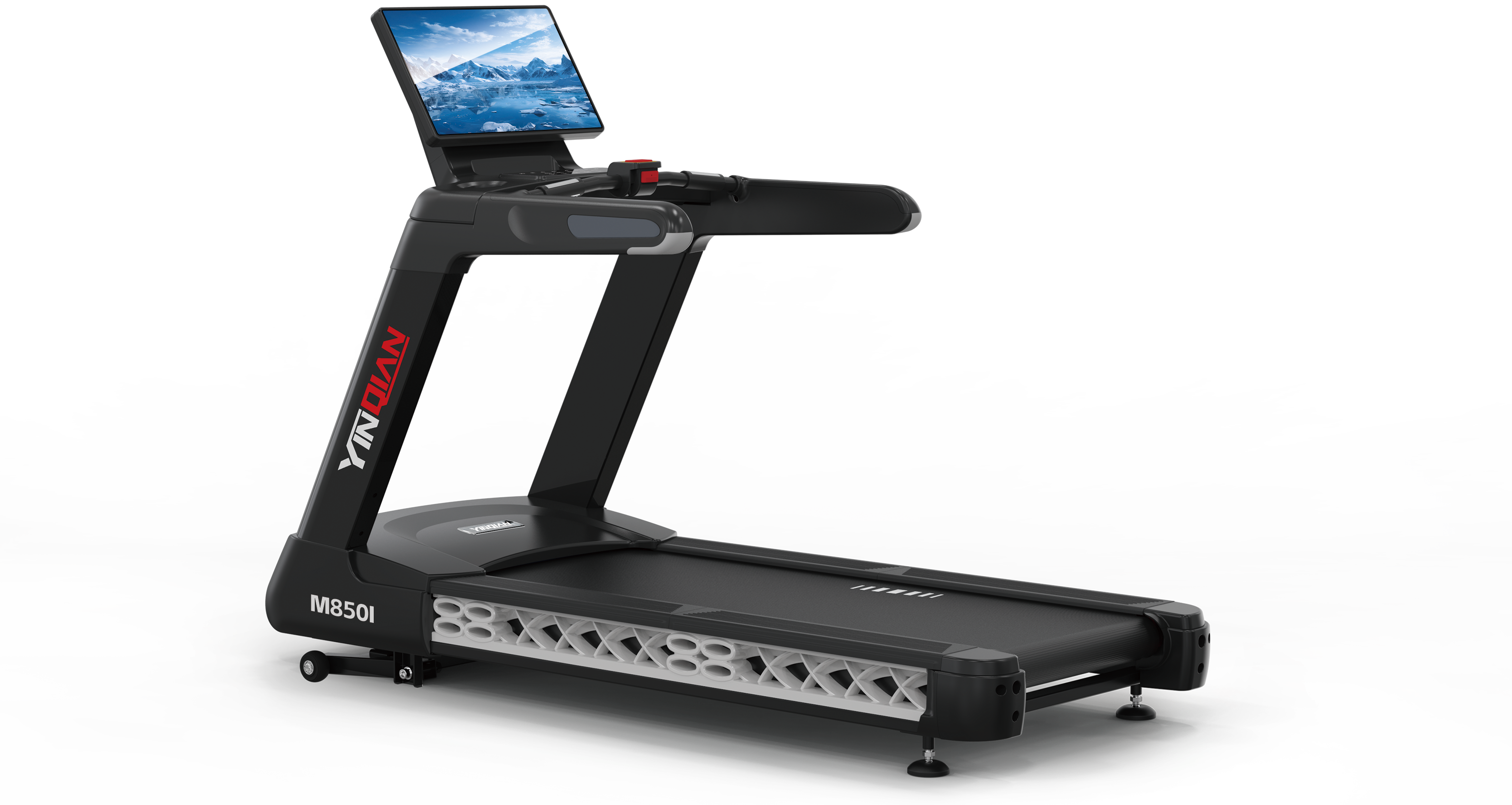
** are suitable for such duty cycles. TFT screens with streaming can support engagement, while LED units generally cost less to repair.
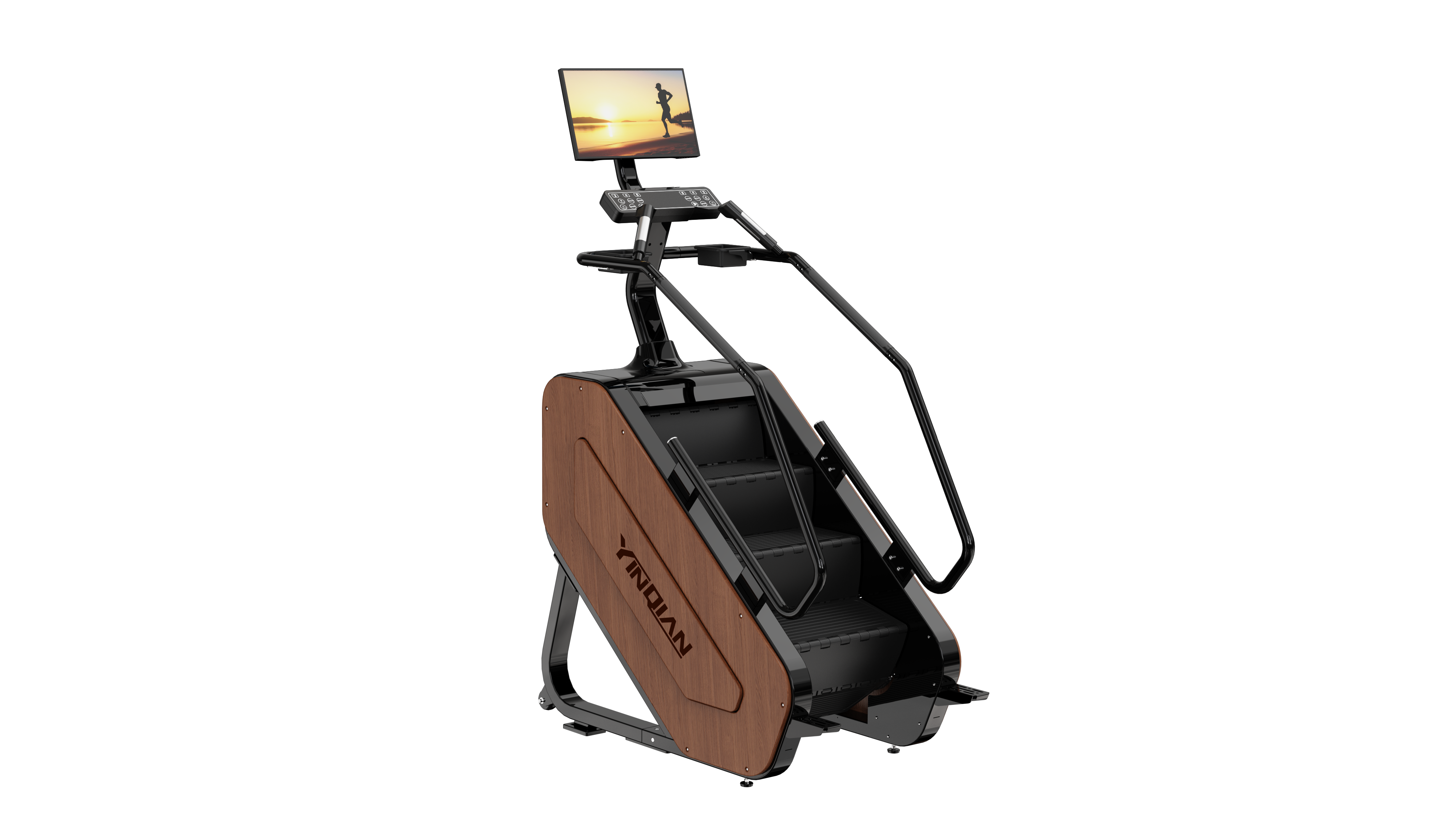
The **YQ02 LED STAIR CLIMBER** is a smaller-footprint option for buildings with high-intensity training demand.
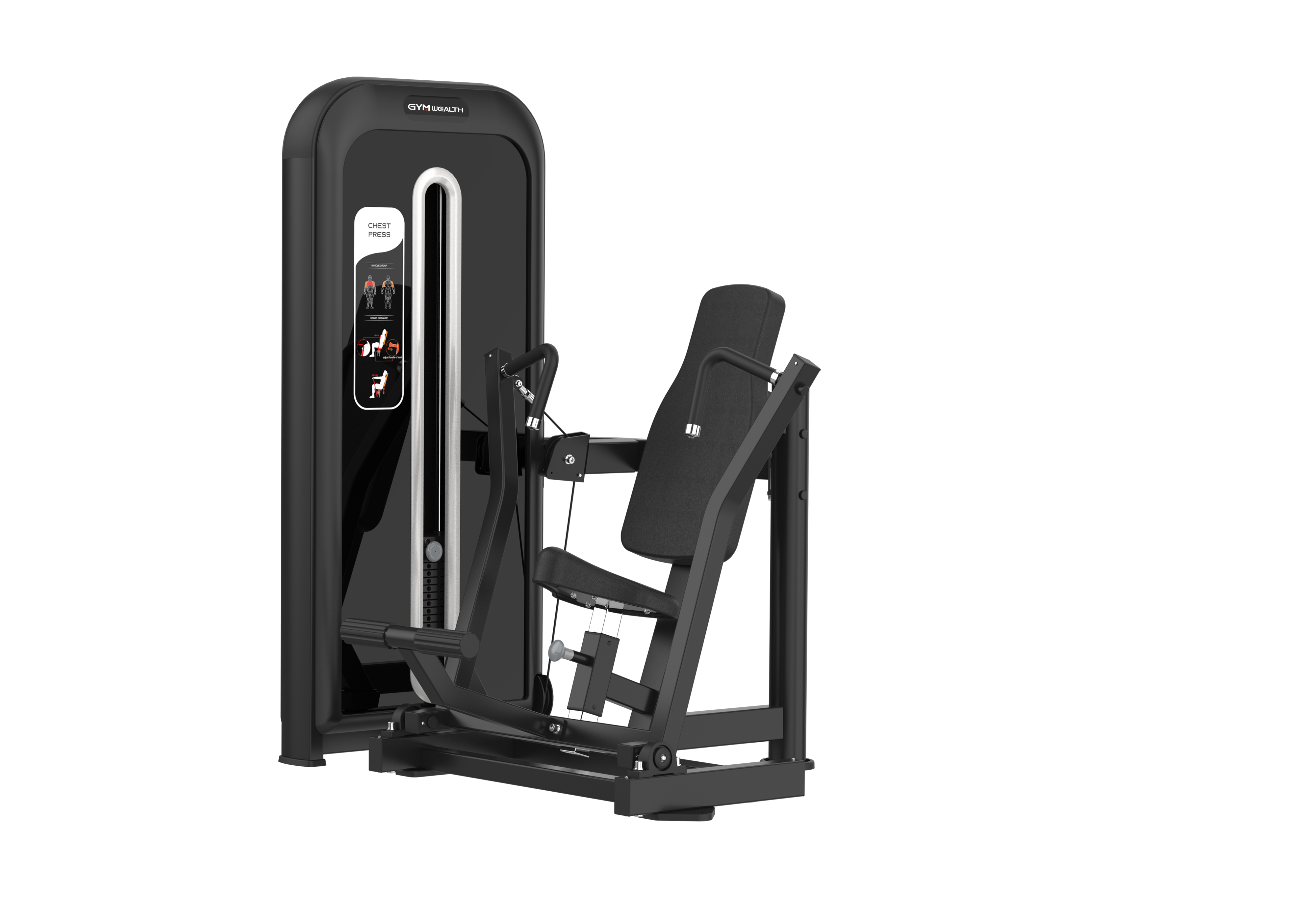
**Strength.** Chest press, lat pulldown, leg press, leg extension, and seated row account for most selectorized traffic and should be prioritized.
Relevant options include the
**LT-001 chest press**,
**LY014 leg extension**,
**LY009 lower back**,
**NHM33 iso-lateral front lat pulldown**,
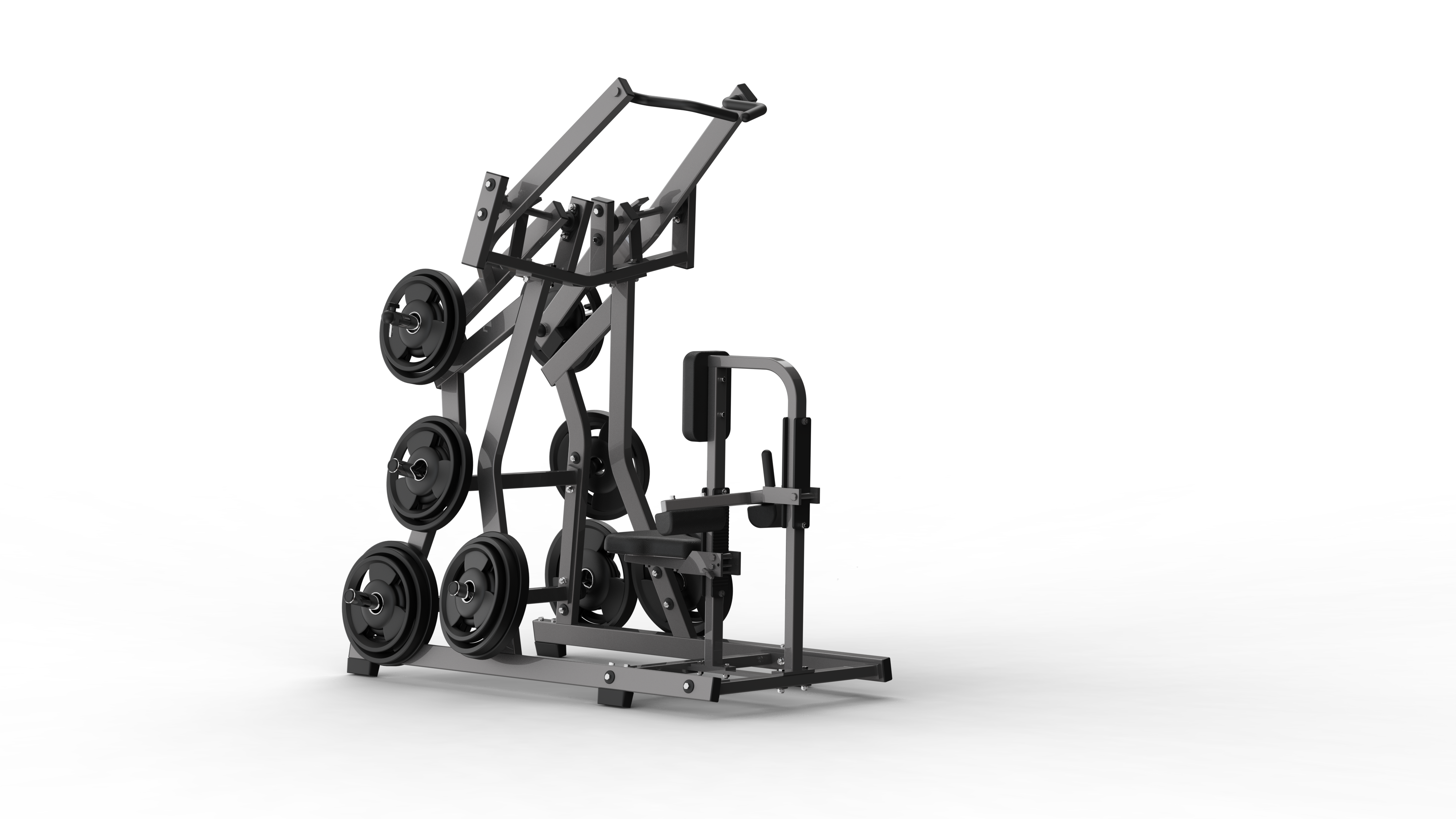
**BLY012 high pulley/row**. For tight rooms, the **TH49D 4 station** provides multiple stations in one footprint; clearance on all four sides should be verified.
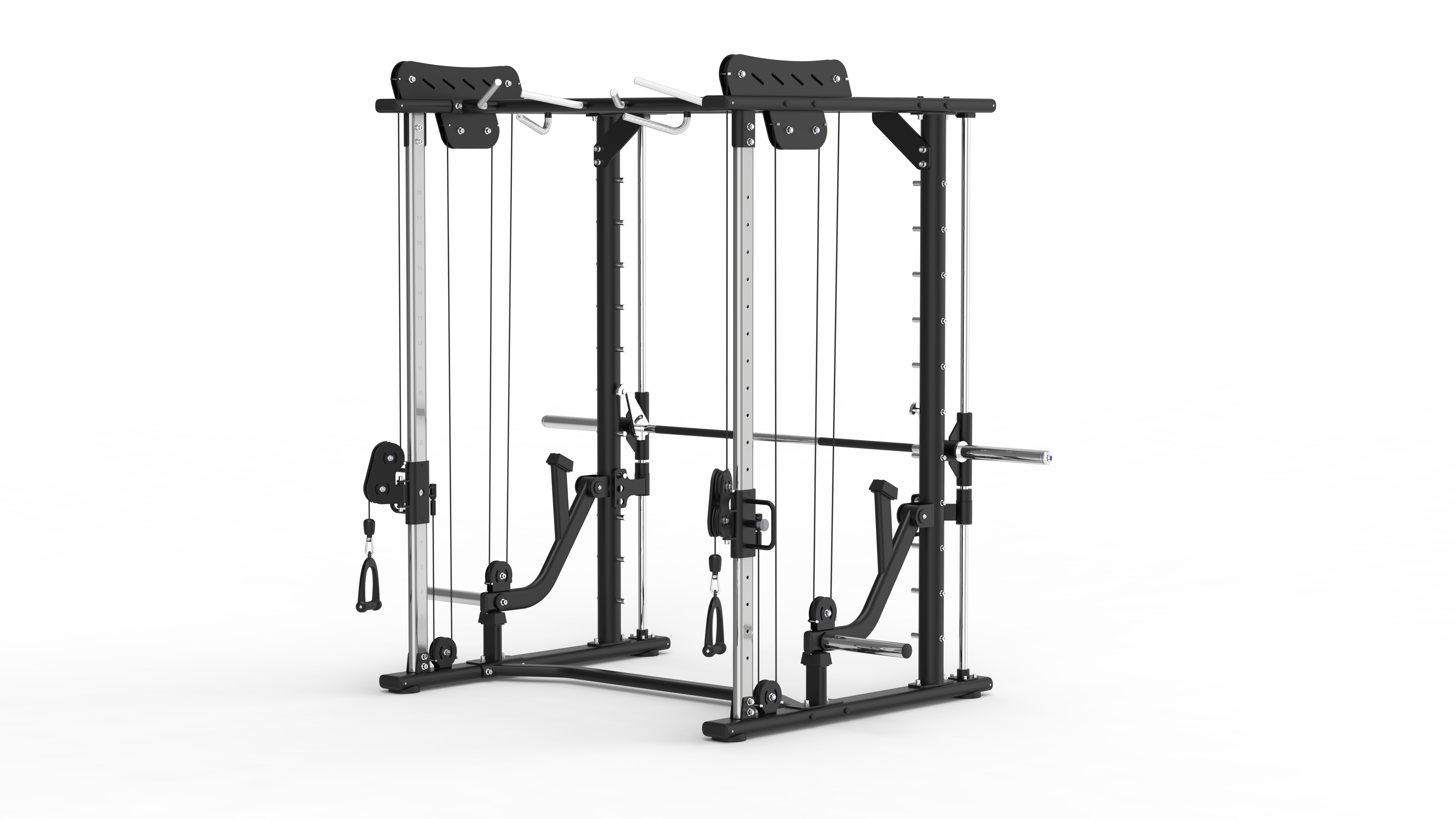
**Free weights.** A rack and bench are essential. The **TH003 multi power rack** supports squats, presses, and pull-ups. It can be paired with the **ZH036 flat bench** and **TH030 dumbbell rack**. The **ZH020 Smith machine** provides guided safety without a spotter requirement for buildings with serious lifters.
**Extras.** Matting, mirrors, and floor anchoring should be included in the equipment budget at 10–15% of equipment spend. Rubber flooring should be at least 8 mm for free weights; interlocking rubber tile is an option where the room also serves as a yoga space.
**Direct purchasing.** Manufacturers such as **Gym-wealth** ship ex-factory and offer aftersales support, which can reduce cost compared with Western-brand distributors. Lead times (typically 30–45 days plus freight), spare-part availability, and customs handling by the freight forwarder should be confirmed. Ordering 5% spare pads and cables at the time of purchase is cost-effective. All machines should be anchored, the layout documented, and instruction placards posted.